Welcome to the World of Frederick Buechner

Later in 2013, we will be launching the full website. For now, this pre-release website offers a glimpse into the life and ideas of American writer and theologian Frederick Buechner. Please help us design and improve this website by completing a 2 minute web-survey. Click here to access it.

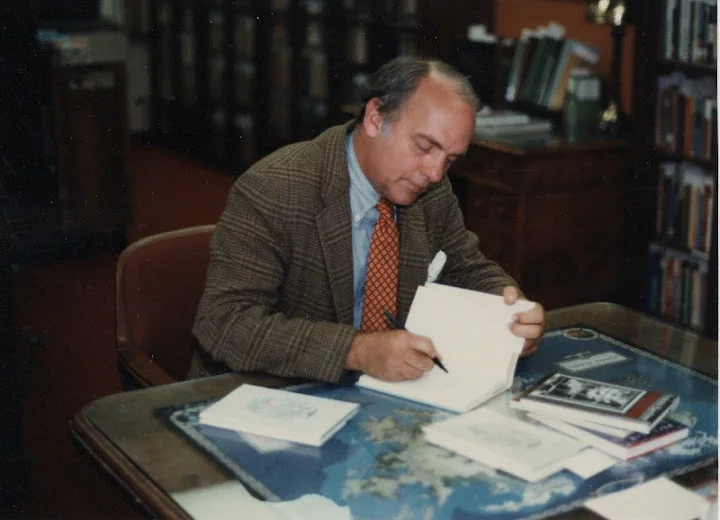
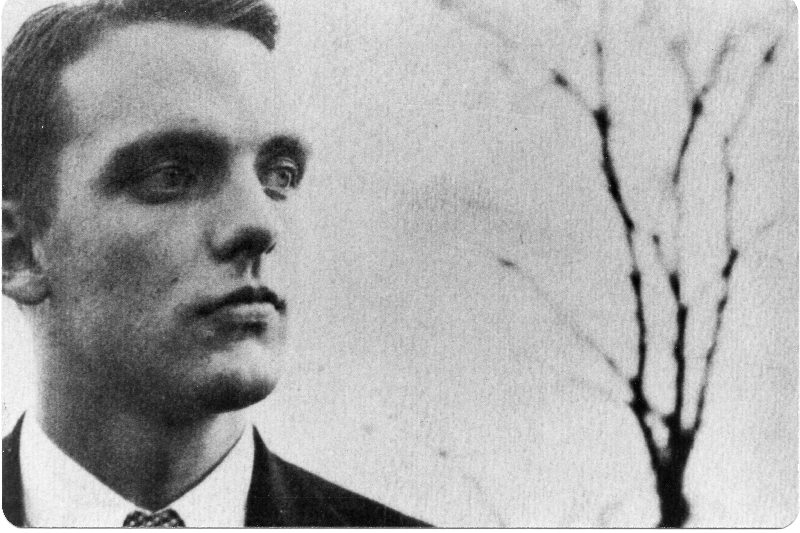
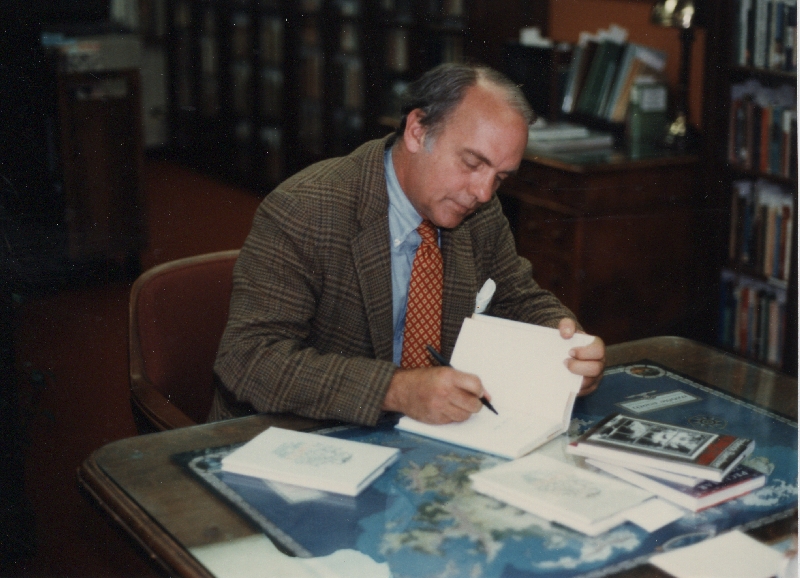
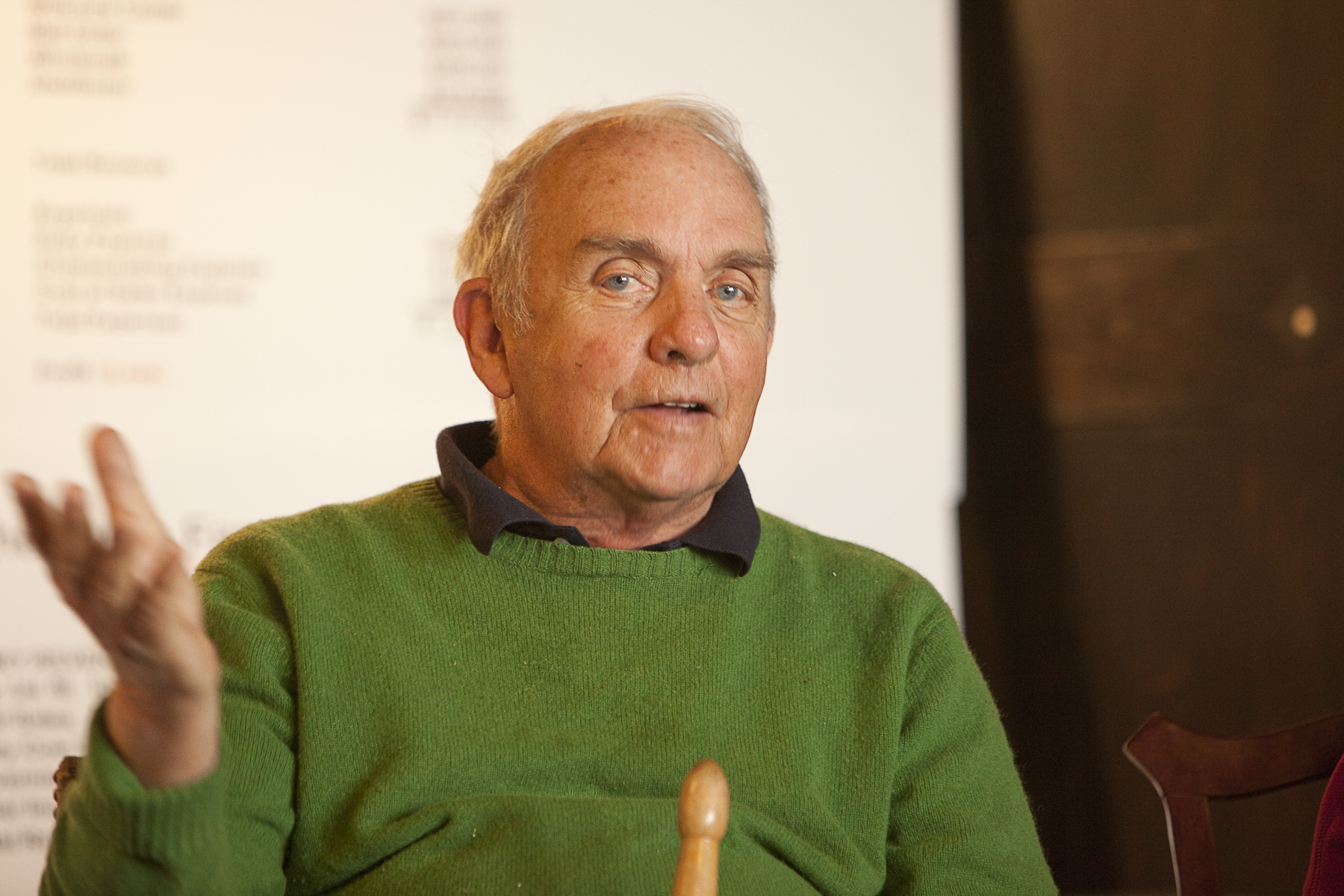
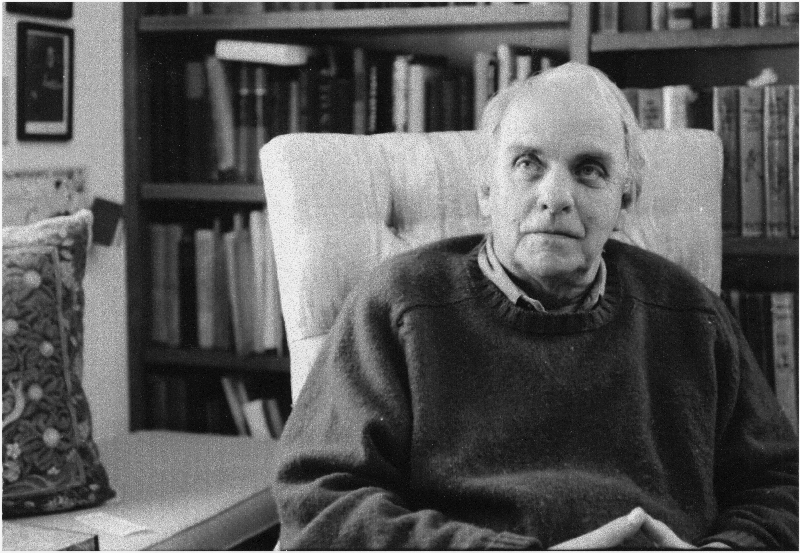
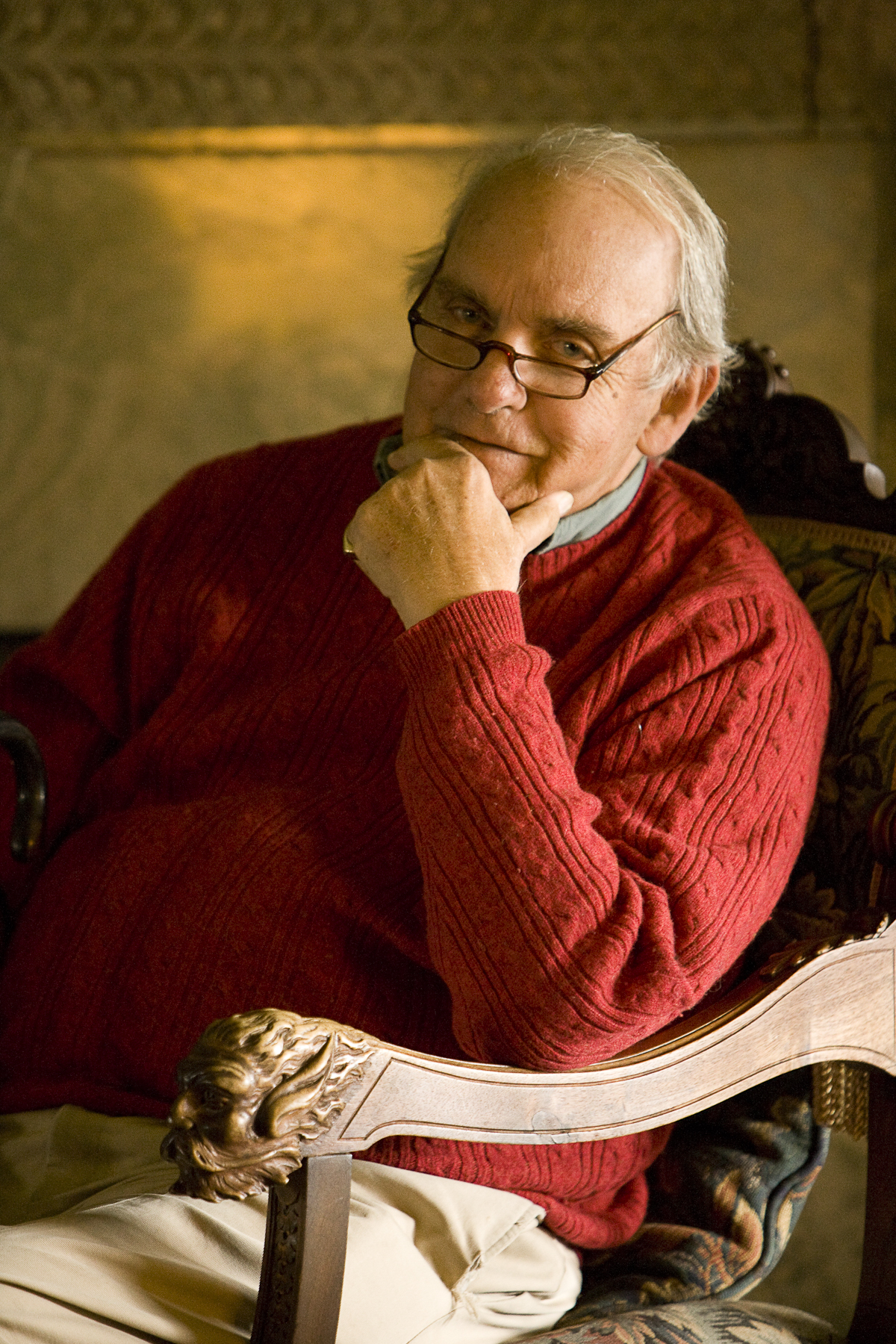
Frederick Buechner (pronounced BEEK-ner) is an American writer and theologian. He is the author of more than thirty published books and has been an important source of inspiration and learning for many readers. His work encompasses many genres, including fiction, autobiography, essays, sermons, and other nonfiction. Buechner’s books have been translated into twenty-seven languages for publication around the world. Buechner’s writing has often been praised for its ability to inspire readers to see the grace in their daily lives. 

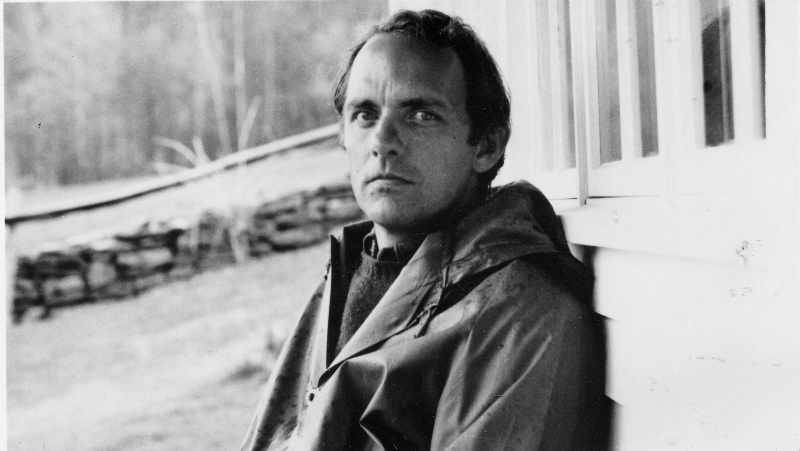
Frederick Buechner in Vermont

Buechner has been called a "major talent" by the New York Times, and "one of our most original storytellers" by USA Today. Annie Dillard (Pulitzer Prize-winning author of Pilgrim at Tinker Creek) says: "Frederick Buechner is one of our finest writers." As stated in the London Free Press, "He is one of our great novelists because he is one of our finest religious writers." He has been a finalist for the Pulitzer Prize and the National Book Award, and has been awarded eight honorary degrees from such institutions as Yale University and the Virginia Theological Seminary. In addition, Buechner has been the recipient of the O. Henry Award, the Rosenthal Award, the Christianity and Literature Belles Lettres Prize, and has been recognized by the American Academy and Institute of Arts and Letters.

The Buechner Institute, inaugurated in 2008 at King College in Bristol, TN, is dedicated to the work and example of Frederick Buechner, exploring the intersections and collisions of faith and culture that define our times. 

Additional information about Mr. Buechner may be found on his Wikipedia page.

We invite you to explore this Beta version of our website where we provide an extensive collection of information, and opportunities for interaction, regarding Frederick Buechner and his work. On the home page you will find our Blog and our Discussion Forum as well as links to all the unique features of this site. You can also log in to join the innovative MyBuechner area where you can personalize your own Buechner experience by collecting your favorite Buechner quotes and audio and video recordings, conduct searches through Buechner’s books and our website’s content, and post your own contributions in the InspiredBy section. You can also sign up for a Buechner Quote-of-the-Day and an email newsletter, and follow us on Facebook and Twitter.

This website is brought to you by the Frederick Buechner Center, which was established to share the works of Christian author Frederick Buechner with communities around the world. All after-tax net profits of the Frederick Buechner Center are donated for educational and charitable purposes including the Home of Little Wanderers, the Massachusetts General Hospital for Children, the Vermont Foodbank, the Salvation Army, and ChildFund.  Frederick Buechner, the Frederick Buechner Center, and his family have given over $1 Million to a variety of charities.

Share/Save

John Ortberg’s Reflections on Frederick Buechner

John Ortberg is Senior Pastor at the Menlo Park Presbyterian Church, Menlo Park, California.

The problem with trying to write words that describe the gift of Frederick Buechner's writings is that it’s like trying to write a symphony to honor Beethoven, or whip up a little stain glass window to honor Chagall. The real deal is an immeasurably greater testimony to the product than a fan letter. But I'm glad to get to write one of those.

Picture of John Ortburg

Mark Noll said famously a decade or so ago that the scandal of the evangelical mind is that there isn't much of an evangelical mind. I grew up, not just in a Christian sub-culture, but an evangelical one, and so was immensely grateful when I discovered the mind and pen of Frederick Buechner. He wrote once that part of the art of writing is not saying too much, and not saying too little. I come from a people who never said too little. "Often mistaken, seldom uncertain." Words were to us what nuclear weapons were in the Cold War. So to read the work of a great mind, who was full of faith, and understood why you need to leave some space between the notes, was a revelation.

I have read the story of his conversion many times; the story of the sermon which promised that the king would be crowned with that unlooked-for mixture of grief and joy, I suppose it’s because it has something of the surprise that I expect has to accompany revelation. I read it because, somehow, it helps me believe. I read Godric and find in it a character (whom I do not dare mention) who is so much like someone I know in real life that I would bet money the author knows the same person. How can he describe so precisely a person he has never even met? I read Godric because it makes me think that perhaps there really are saints, and that perhaps they are more human than the rest of us, and perhaps one day I shall want to be one.

I have a dog-eared copy of Telling the Truth: The Gospel as Comedy, Tragedy and Fairy Tale that has more underlined sentences than left-unmarked sentences. Abraham and Sarah and Pilate become real and funny and tragic and heart-breaking because they are alive, and that's the way life is.

I read Wishful Thinking because it re-defines theological reality. Some of his lines are so unforgettable, and have lodged so deeply in my mind, that I'm afraid I might think I thought them up. ("I didn't say everything I said," Yogi Berra once pronounced. Or was it Frederick Buechner? Or was it me?)

I read his description of becoming a minister ("...or were you ill-advised"), and am comforted that someone else wrestles with the mystery and uncertainty of this unusual job. A car's lights only illumine fifteen feet or so, according to the old saying, but that fifteen feet will get you home.

I think of the honesty of his memoirs; the story of his father and the little noises and the threshold which may or may not be crossed; I think of his daughter and secrets and his heart; I think of his love for books and his eschewal of sentimentality, and I learn of my own heart, and hope for honesty and courage I do not yet know.

I listened to a tape of him reading favorite passages one day while I was driving; he read a paragraph from a novel by George MacDonald called Thomas Wingfold Curate, and I began to weep so hard from the power of the words I had to pull the car off the side of the road.

I have never met him, so I get to imagine him from my reading of his work: wise, thoughtful, reflective, with a calmness that can change your world like (to use one of his images) an overnight snowfall changes your backyard into a thing of beauty. I don't know of any writers who are actually like this, but I get to imagine Frederick Buechner this way.

I do know that he has had a disproportionate impact on countless souls, including mine. Probably yours already too. But if not, if by any chance you are reading these words and haven't yet read him, if you are wondering about God, or are a preacher, or are a preacher wondering about God, or would like to ponder what it means to be human in the real world, or would just like to enjoy fine craftsmanship, you've come to the right place.

John Ortberg

Share/Save

Theme by Danetsoft and Danang Probo Sayekti inspired by Maksimer